
Tablet memorials-what they are and why you might choose one
Written by: Annissa Cole
Published: 6th May 2026

What is a tablet memorial and why might you choose one? Here, J.Gumbrill’s Annissa talks about this specific type of monument and answers some of the company’s FAQs on the topic.
What is a tablet memorial?
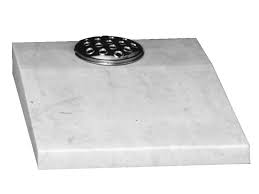
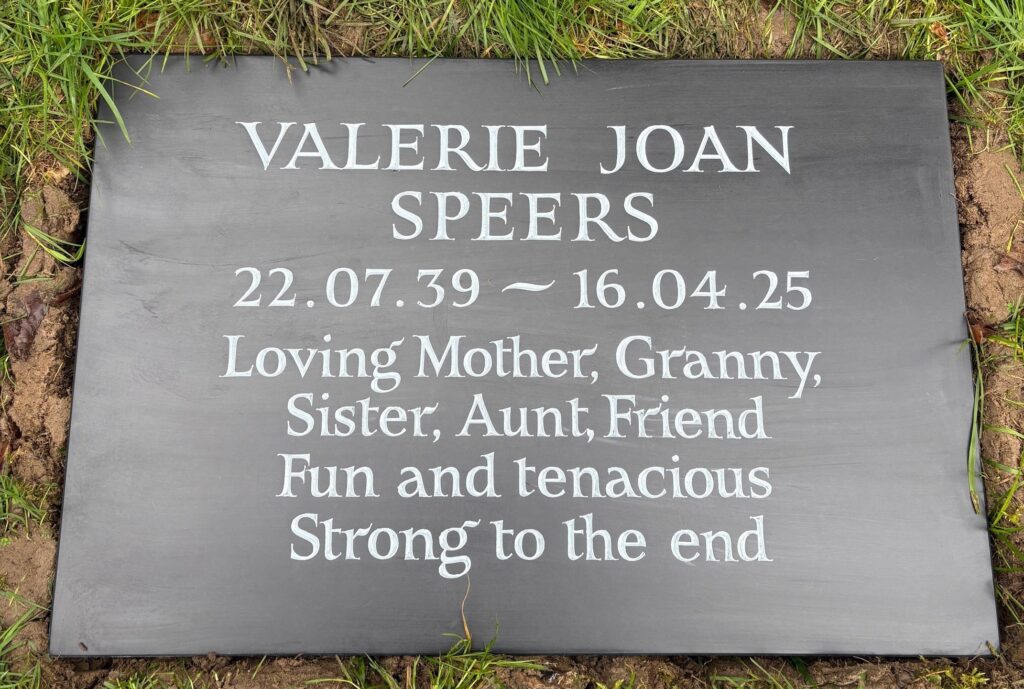
A tablet is a type of memorial that lies flat to the ground. They can be flat, which means that the depth is consistent across the face, or sloping/wedge. A sloping or wedge tablet has different depths at different edges. The base of the stone is still flat, but the rear or back edge is thicker than the front, making it higher/taller at the rear. Some people like this style of tablet because it makes it easier to read the inscription. However, they are not permitted in some of the most common settings which allow tablet memorials otherwise.
Why might we choose a tablet memorial?
There are several reasons why a tablet memorial might be chosen. For example, in some settings, it will be what is permitted, especially for the interment of ashes in a Garden of Remembrance. For example, many Church of England churchyards in J.Gumbrill’s local area only allow a tablet to mark an ashes plot.
Another reason might be if you are marking a plot outside of a conventional burial area. Burials do take place on private land, as do ashes interments. It may be that a tablet is thought to be a less obtrusive place to mark the plot. It will draw less attention than a standing headstone but can still fulfil a similar function in recording the necessary details.
A tablet can also be used to record an additional interment without adding to an existing memorial. Sometimes, it may be that there is not enough space on a headstone which is already in place. Perhaps ashes have been interred into a grave where the occupants’ details already fill the existing monument. A matching tablet within the grave space can give an impression of harmony and cohesion in remembering all those present.
As most tablets are smaller than other types of memorials, they will often be cheaper. If cost is an important factor, this can be a way to reduce the price. However, it should be remembered that some burial places may have rules about memorial types which prevent a tablet being laid.
What can a tablet be made of?
Tablets can be made from most of the materials that other types of memorials are available in. In some cases, materials which cannot be used for headstones can also be made into a tablet. For example, Purbeck stone, which was once one of the most common materials for memorials, is now no longer available in sufficient quantity to make a headstone-sized memorial, but smaller pieces can be shaped into tablets. Alternatively, it might be that a material is relatively cheap and it is not cost-effective for suppliers to undergo the work to cut it into small tablets.
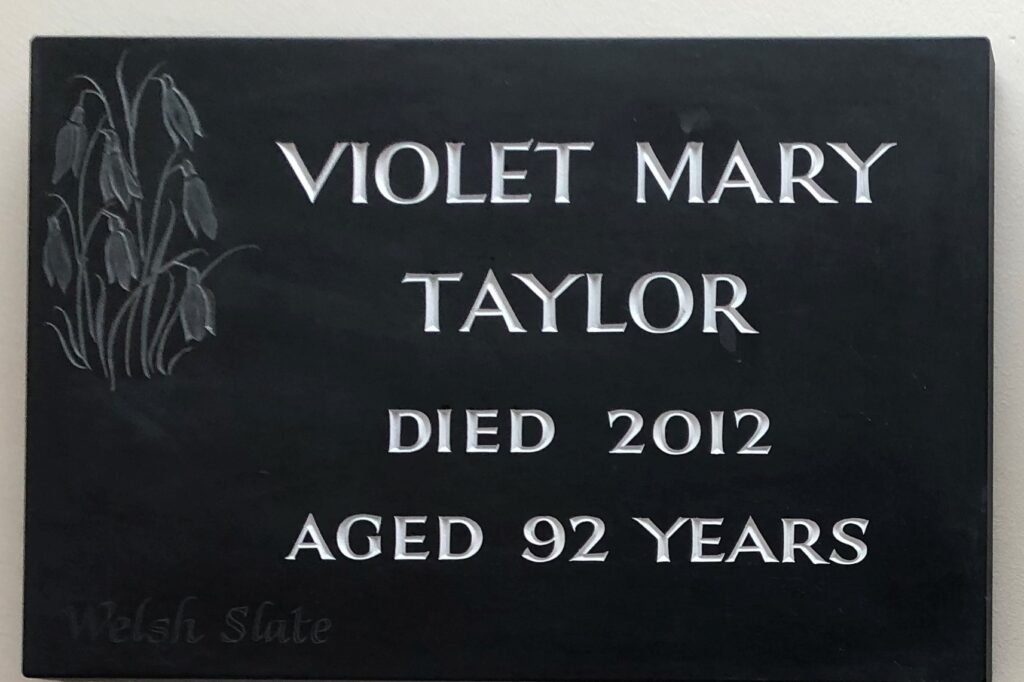
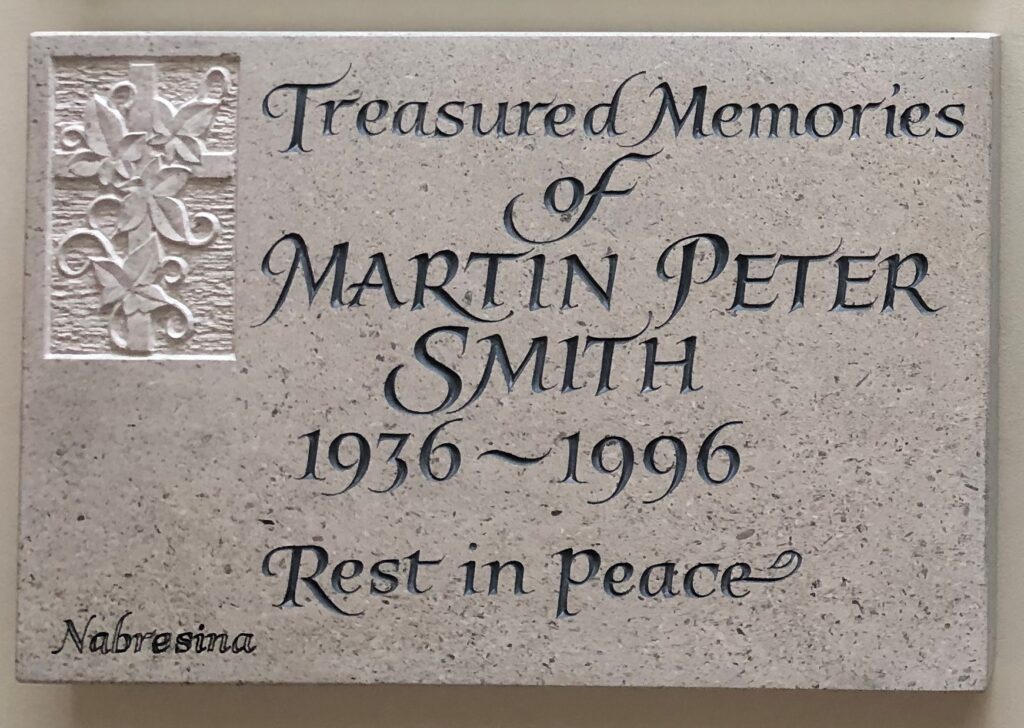
The place where the tablet is to be sited may have rules about the type of material that is permitted. For example, many Churchyards prefer any memorial to be made of slate, nabresina or limestone (Portland/York stone), and may only allow a small selection of grey granites.
What size will the tablet be?
Again, this depends on the prevailing regulations. Even cemeteries with very few rules will limit the maximum width of a tablet because there needs to be access in between plots to facilitate visits to surrounding plots and grounds maintenance. At the other end of the scale, a tablet which is very small will not be able to hold much information without the inscription being cut in a very small font. Tablets can be produced in any size, but there are some standard ones, these are:
- 12” square
- 18” x 12”, laid landscape
- 18” square
- 8” x 12”
Most flat tablets are 2” thick, except those made of slate, which will be slightly thinner. Wedge tablets, where they are permitted, don’t usually slope too much. Their front will probably be only one or two inches shallower than the rear, although this might depend on the overall dimensions and the desired overall look.
How much lettering can be fitted on a memorial?
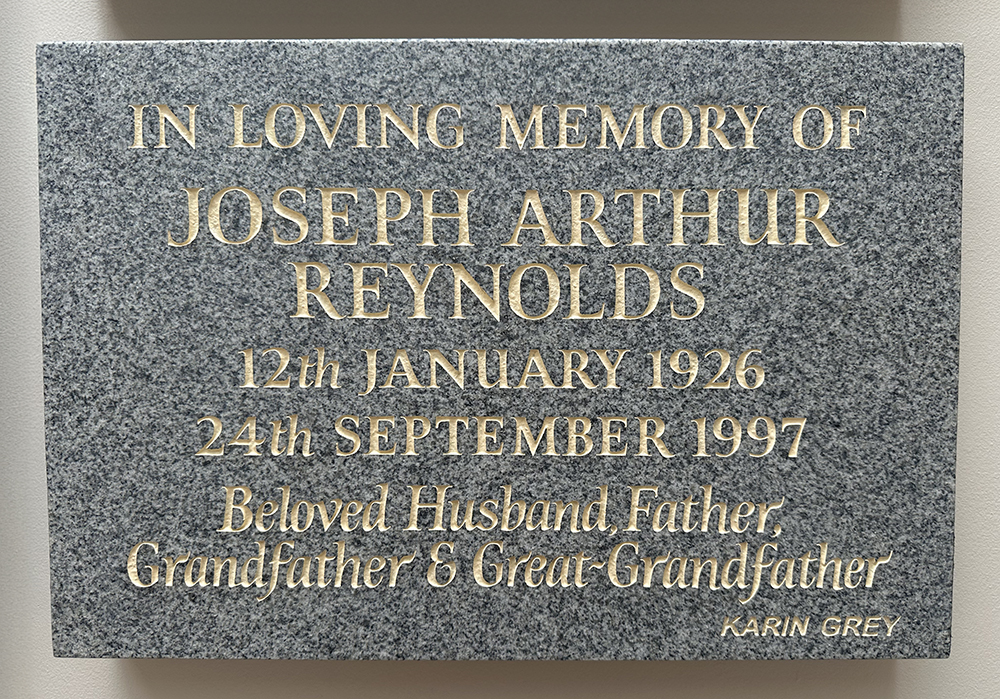
As with all memorials, J.Gumbrill’s skilled team will work with you to ensure you achieve the design you want for the memorial. In theory, it is possible to feature an inscription of any length on a tablet, by reducing either the size of the font, the spacing in between lines, or both, or omitting decorative features. However, it is important that the inscription on the tablet is legible. There are some steps that can be taken in this respect, for example where there is a need for a smaller font, clarity of font design should be a foremost choice.
Having said this, tablet memorials of a standard size can probably accommodate four to six lines of lettering. It may be that some compromises have to be made, for example omitting longer middle names to enable a second person to be commemorated on the same tablet.
Final thoughts
A tablet will not be suitable for all circumstances and may not be permitted in all situations. However, they are an elegant solution if you require something simple, smaller, or like the idea of a less conventional memorial. J.Gumbrill can help or advise with all aspects of monumental masonry. Why not get in touch to discuss your requirements and get a no-obligation quote?
Thanks for your time, Annissa.